


-

Add: HeBei ShengShi HongBang Cellulose Technology CO.,LTD.
-

Email
13180486930@163.com -

CONTACT US
+86 13180486930

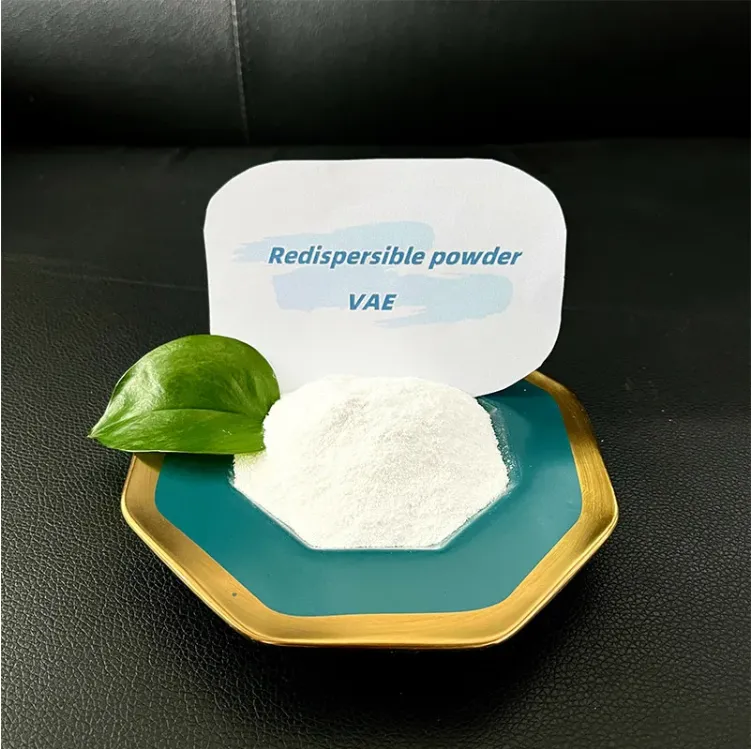
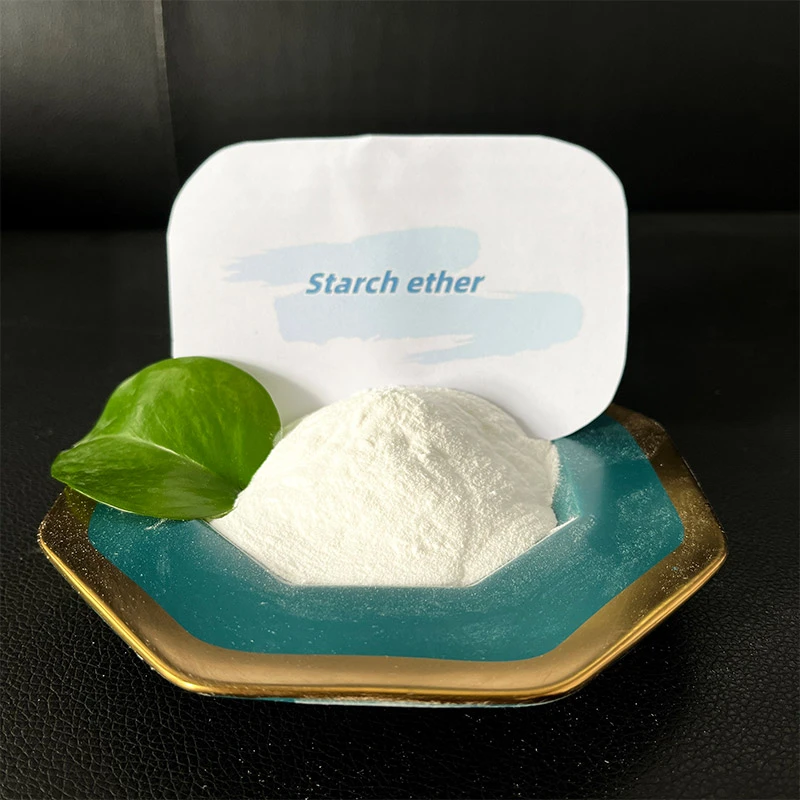


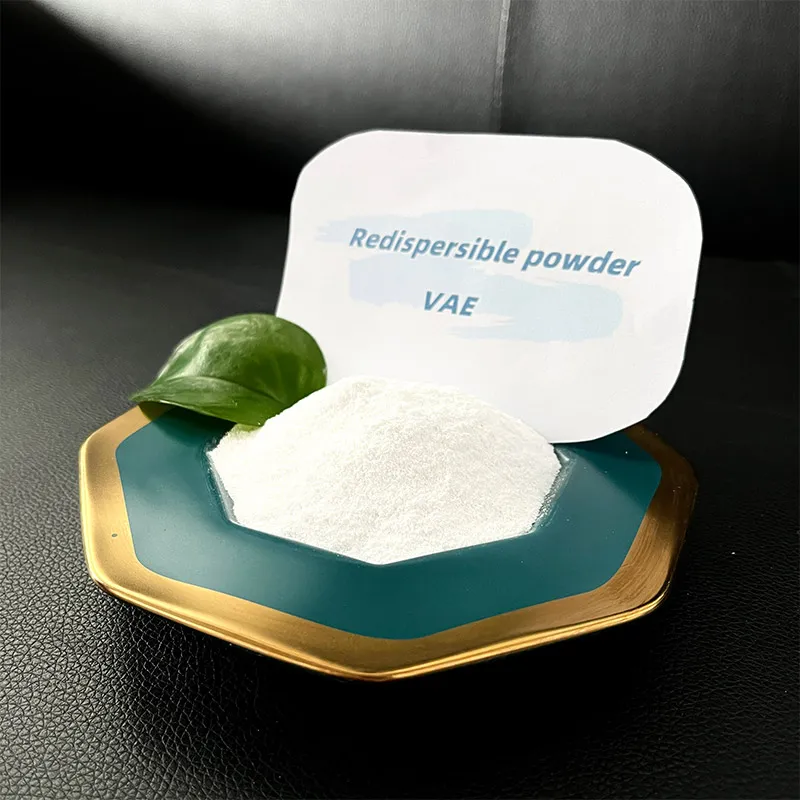
Redispersible powder VAE: Field Notes from the Jobsite and the Lab If you work with dry-mix mortars, you already rely on redispersible emulsion powder . The acronym soup (VAE, EVA, etc.) can be confusing, but the value isn’t: flexibility, adhesion, and workability in a simple sack mix. I’ve seen crews shave hours off installs just by switching to a balanced VAE grade—less slump, better open time. Honestly, the difference shows up by lunch. What it is and why it’s trending Redispersible powder VAE is a spray-dried vinyl acetate–ethylene copolymer with protective colloids, designed to redisperse in water and coalesce with cementitious or gypsum binders. Market-wise, the trend is toward low-VOC, low-ash grades, improved hydrophobicity, and consistent performance in high-alkali cements. Many customers say the newer VAE grades handle better in hot, dry weather—less skinning, steadier open time. Quick specs (typical, real-world use may vary) Property Typical Value ≈ Method/Standard Polymer base VAE copolymer JC/T 2190 Glass transition (Tg) -10 to +5 °C DSC Bulk density ≈ 400–550 g/L JC/T 2190 Residual moisture ≤ 1.5 % JC/T 2190 Ash content ≈ 10–14 % 900 °C Redispersion Stable, fine ISO 3219 (dispersion) pH (50% dispersion) ≈ 6–9 ISO 976 Process flow and testing (how it’s made and proven) Materials: VAE base emulsion, protective colloid (often PVOH), anti-caking mineral, process water. Method: emulsion polymerization → filtration → spray-drying → sieving → packaging. Each batch is checked for moisture, ash, sieve residue, and redispersion. For mortar performance, labs track tensile adhesion per EN 1348/EN 12004, compressive strength per ASTM C109, and ETICS compatibility via ETAG 004 guidance. Service life? In systems like tile adhesives and ETICS, I’ve seen 20–30 years with proper formulation and installation, though climate and substrate prep absolutely matter. Applications and advantages Tile adhesives (C1/C2): stronger wet and heat resistance, longer open time. ETICS/basecoats: crack bridging, impact resistance. Self-leveling underlayments: cohesion, abrasion resistance. Gypsum plasters/putties: smooth troweling, reduced dusting. Repair mortars: adhesion to old concrete; surprisingly forgiving on marginal substrates. Many crews report 15–25% better tensile adhesion after water immersion with a well-chosen redispersible emulsion powder , plus cleaner edges and fewer callbacks. To be honest, the “feel” on the trowel sells it. Vendor snapshot and customization Vendor Base Typical Add-ons MOQ Price ≈ Lead Time SSH HongBang (Hebei) VAE Hydrophobic, low-ash options ≈ 1–3 MT Value-focused 2–4 weeks Global Vendor A VAE/E blends Premium modifiers ≥ 3 MT Higher 3–6 weeks Regional Vendor B VAE Standard anti-cake ≈ 1 MT Mid-range 2–5 weeks Customization knobs: Tg window for flexibility vs. hardness, hydrophobic treatment for wet rooms, ash level for color-critical grouts, particle-size profile for pumping, and anti-caking package for long hauls. In fact, pairing a flexible redispersible emulsion powder with a cellulose ether tweak can save a failing C2 recipe. Case notes, origin, certifications Case 1 (tile adhesive, coastal): switching to a hydrophobic VAE boosted wet-adhesion by ≈20% (EN 1348). Case 2 (ETICS basecoat): impact resistance improved from 6 to 10 J after optimizing dosage and sand grading (ETAG 004 method). Case 3 (gypsum putty, humid climate): less pinholing; painters actually called to say thanks—rare, I guess. Supplier origin: HeBei ShengShi HongBang Cellulose Technology CO.,LTDRoom 1904, Building B, Wanda Office Building, JiaoYu Road, Xinji City, Hebei Province. Certifications typically include ISO 9001; REACH and low-VOC declarations available on request. Storage: keep bags sealed, cool and dry; shelf life ≈ 12 months. Avoid lumping by minimizing condensation—basic, but it bites crews every summer. Where it fits next Expect smarter blends that keep redispersible emulsion powder performance stable across extreme temperatures. Also, tighter ash specs for light-colored decorative mortars, and maybe bio-based protective colloids—early days, but promising. References JC/T 2190-2013 Redispersible Polymer Powder for Mortar. EN 12004, EN 1346/1348: Adhesives for tiles — Test methods and requirements. ETAG 004 / EAD 040083-00-0404: ETICS with rendering — Assessment methods. ASTM C109/C109M: Compressive Strength of Hydraulic Cement Mortars. ISO 9001:2015 Quality Management Systems; ISO 3219 Rheology (reference for dispersion testing).
- 40000tons

Production
- 20+years

Experience
- 5000+㎡

Acreage

-
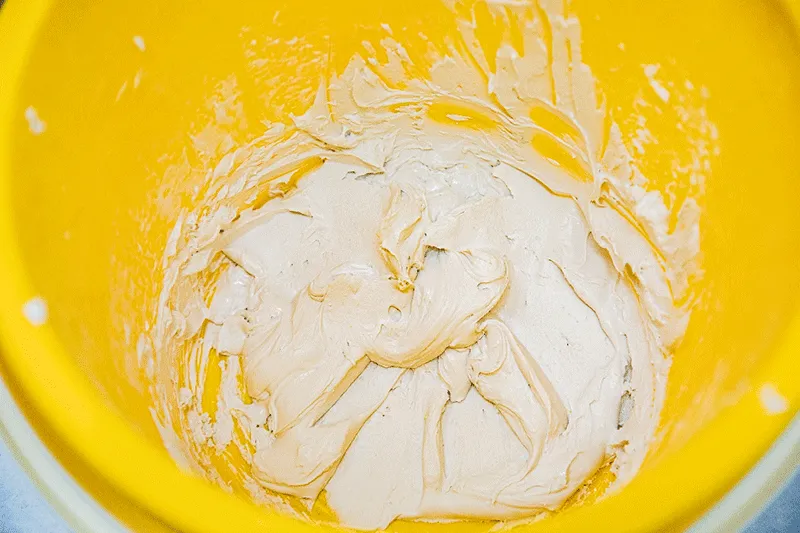
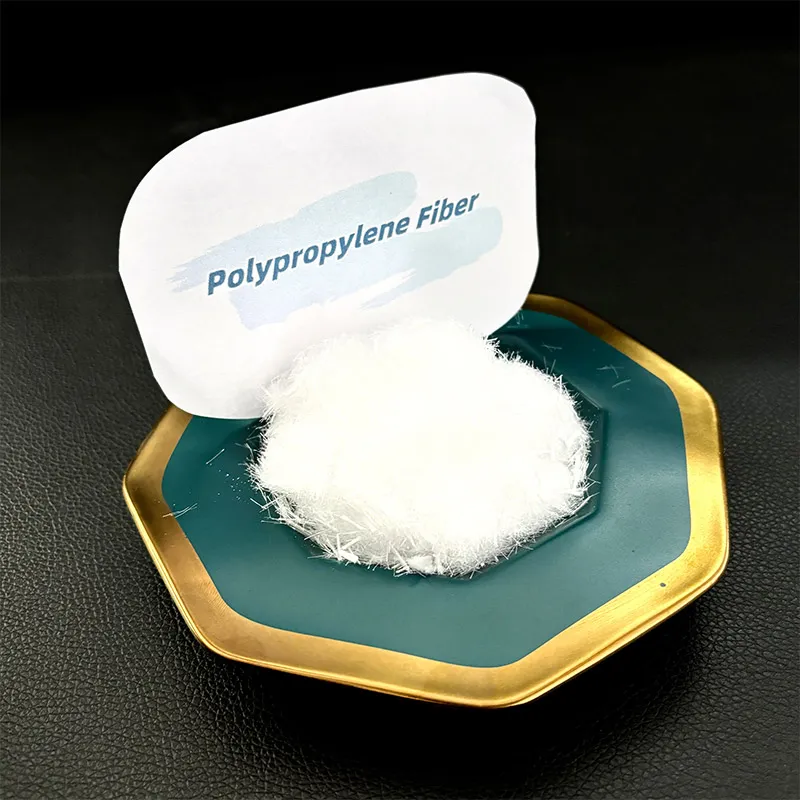
Insulation materials represent a critical frontier in sustainable construction, balancing thermal efficiency, structural resilience, and environmental impact. Among these, polypropylene fiber has emerged as a transformative component, particularly in concrete and composite applications. Derived from thermoplastic polymers, this synthetic fiber leverages polypropylene’s innate chemical inertness, low density, and hydrophobic nature to enhance building performance. Unlike traditional materials like asbestos or cellulose, polypropylene fiber resists rot, mildew, and alkaline degradation, making it ideal for humid environments or subterranean structures. Its integration into concrete matrices doesn’t merely supplement strength; it fundamentally redefines material behavior under stress, moisture, and thermal fluctuation. Polypropylene Fiber : Revolutionizing Therma Polypropylene fiber transforms concrete from a brittle material into a ductile, damage-tolerant composite. When embedded in mortar or concrete, millions of fine fibrils create a three-dimensional reinforcement network that mitigates plastic shrinkage cracks during curing—a common failure point in slabs and pavements. Beyond crack control, these fibers significantly reduce water permeability by blocking capillary channels within the concrete matrix. This is critical for foundations, basements, and water-retaining structures exposed to hydrostatic pressure. The fiber’s non-polar molecular structure inherently repels water, preventing chloride ion ingress that corrodes steel rebar. In cold climates, this translates to robust frost resistance: by minimizing internal water content, polypropylene fiber curbs destructive freeze-thaw cycles that cause scaling and spalling. Additionally, its flexibility absorbs kinetic energy, enhancing blast resistance in security-sensitive installations like embassies or data centers. Versatile Insulation of Polyolefin Fiber Polyolefin fiber , the polymer family encompassing polypropylene, shares key traits that benefit building materials: high tensile strength, corrosion resistance, and recyclability. Polyolefins are synthesized through catalytic polymerization, creating hydrocarbon chains that resist chemical attacks from acids, alkalis, and solvents. This durability is indispensable in industrial settings where concrete encounters aggressive substances, such as wastewater plants or chemical storage facilities. As a subset of polyolefin fiber , polypropylene fiber inherits these traits while offering superior melt-processability, allowing manufacturers to engineer fibers with customized length. Innovations like surface fibrillation—where fibers split into microfilaments—increase bonding surface area with cement paste, optimizing load transfer. Crucially, polyolefin fiber supports circular economy goals; post-industrial polypropylene waste is readily reprocessed into new fibers, reducing landfill burden versus non-recyclable mineral wool or fiberglass. Macro Fiber : Enhancing Impact Resistance and Longevity Macro fiber designed to replace welded wire mesh or rebar in secondary structural applications. Polypropylene fiber variants in this category—often crimped or deformed for anchorage—bridge macro-cracks in concrete, maintaining structural cohesion even after initial failure. This is vital for earthquake-prone regions where ductility prevents sudden collapse. Macro fiber also combats abrasion in high-traffic floors, warehouses, and bridge decks by dispersing localized wear across the fiber network. Unlike steel, polypropylene macro fiber eliminates rust-jacking (corrosion-induced cracking), especially in salt-rich coastal or de-iced environments. Its low modulus of elasticity ensures compatibility with concrete’s natural movement, reducing delamination risks. For insulation composites, macro fiber reinforces lightweight aerated concrete or gypsum boards, allowing thinner installations without sacrificing impact resistance. Sustainability and Future Innovations in polypropylene fiber Insulation The ecological advantages of polypropylene fiber extend beyond recyclability. Production consumes 50% less energy than glass fiber and generates minimal volatile organic compounds. Emerging research focuses on bio-sourced polyolefins from sugarcane or waste biomass, further shrinking the carbon footprint. Hybrid systems combining polypropylene fiber with phase-change materials are also gaining traction; fibers distribute PCMs uniformly, enabling concrete to absorb/release heat during temperature swings. However, challenges persist, notably microplastic shedding during demolition. Solutions include developing biodegradable coatings or closed-loop recycling protocols. As net-zero construction mandates expand, polyolefin fiber ’s role in carbon-storing concretes will accelerate, positioning it as a linchpin of green building codes. FAQs about Polypropylene Fiber What distinguishes polypropylene fiber from steel reinforcement? Polypropylene fiber provides diffuse, full-volume reinforcement versus steel’s localized support. It prevents micro-cracks during curing, resists corrosion, and reduces labor costs. However, steel remains essential for primary load-bearing elements, while fibers excel in crack control and durability enhancement. Can macro fiber entirely replace traditional rebar? In non-structural applications (e.g., pavements, shotcrete slopes), macro fiber suffices. For structural members like beams or columns, it complements rebar by improving impact resistance and reducing crack widths but cannot bear equivalent tensile loads. How does polyolefin fiber enhance insulation efficiency? Its hydrophobic nature minimizes thermal bridging caused by moisture. When integrated into insulating concretes or boards, it traps air pockets while blocking vapor diffusion, maintaining stable R-values in humid conditions. Is polypropylene fiber suitable for high-temperature environments? Standard polypropylene fiber softens at 160°C, limiting use in fire-rated assemblies. Flame-retardant variants with melting points exceeding 300°C are available for fireproofing sprays or intumescent coatings. What end-of-life options exist for polyolefin fiber composites? Mechanically separated fibers can be recycled into new building products. Research on thermal depolymerization converts waste into liquid hydrocarbons for reprocessing, though commercial scalability remains evolving. Polypropylene fiber transcends its role as a mere additive, becoming a cornerstone of modern, resilient construction. By enhancing water resistance, frost durability, and crack control, it extends infrastructure lifespans while reducing maintenance burdens.For architects and engineers, mastering its applications isn’t just a technical advantage; it’s an investment in enduring, eco-conscious built environments.
-
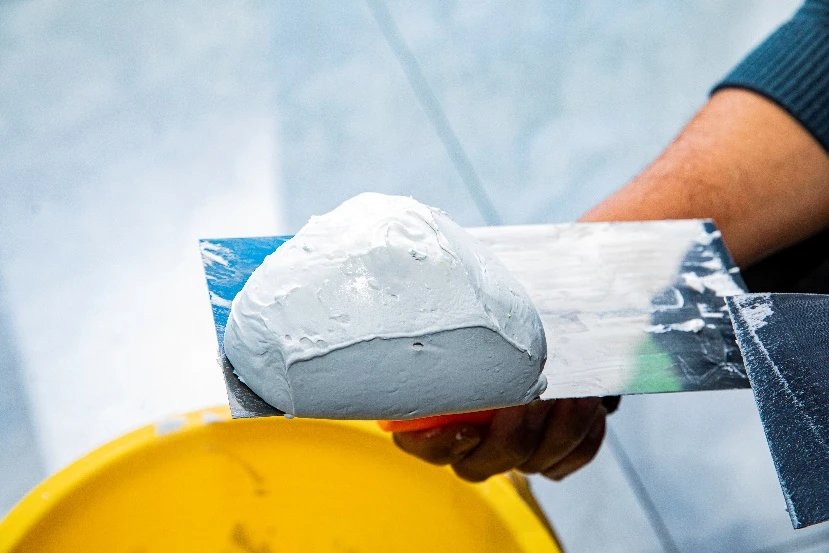
Hydroxypropyl Methylcellulose (HPMC), widely recognized in industrial and pharmaceutical sectors, has generated significant interest due to its versatile applications. For those unfamiliar, HPMC is a non-ionic cellulose ether, often employed for its emulsifying, thickening, and film-forming capabilities. Its multifunctional properties make it a valuable component across various industries, from construction to pharmaceuticals, owing to its high-performance benefits and adaptability. In the world of construction, HPMC is frequently utilized in products such as tile adhesives, cement renders, and wall putties. Its ability to improve workability, water retention, and anti-sag properties makes it indispensable. A construction expert noted, Using HPMC in our cement mixes transformed our process efficiency. It provided the desired consistency and improved adhesive properties, which in turn, enhanced our final construction. Moving to the pharmaceutical realm, HPMC stands out as a vital excipient. It serves as a controlled-release agent in oral drug delivery systems. Experts agree on its safety and efficacy as the backbone for developing tablets with precise dissolution rates. Dr. Sarah Thompson, a pharmaceutical scientist, mentions, HPMC revolutionized oral drug formulations. It provided a reliable matrix for controlled release, which is crucial for maintaining therapeutic drug levels in patients. In food technologies, HPMC is gaining momentum as a fat substitute and stabilizer. Given the rise in health-conscious consumerism, its ability to form films and retain moisture in low-fat foods has positioned it as an innovative solution. A comparative study on food textures revealed, When incorporated into low-fat dairy products, HPMC maintained creaminess without compromising taste, marking a step forward in the development of healthier food options. Cosmetic formulations greatly benefit from HPMC due to its skin-friendly attributes. It acts as a film-former and thickening agent in creams and lotions, enhancing the stability and texture of the product. Renowned dermatologist Dr . Emily Carter explains, HPMC in skincare ensures consistent viscosity, improving product feel and application, which is essential for consumer satisfaction. hpmc is a HPMC's role doesn't end here. In personal care product formulations, it ensures consistency and performance. Its resistance to salts and electrolytes makes it a preferred choice in shampoos and conditioners. The formulation chemist, John Lee, approved this asserting, The versatility of HPMC astonished us. Its non-reactive nature allowed it to perform exceptionally well in diverse pH environments, maintaining the desired texture and effectiveness of personal care products. With increasing environmental awareness, HPMC's biodegradable properties contribute to its appeal. It offers an eco-friendly alternative without sacrificing performance. Manufacturers like EcoCon Solutions are pioneering the shift towards sustainable materials, emphasizing that using HPMC aligns with our commitment to the environment, marrying functionality with eco-consciousness. The expertise behind HPMC's applications is rigorously supported by researchers and industry professionals. Its widespread acceptance underscores the authoritative knowledge regarding its benefits, stemming from years of research and proven applications. Trustworthiness is inherent, as regulatory bodies worldwide have endorsed HPMC for various uses, ensuring it meets stringent safety and quality standards. Exploring real-world experiences, professionals across industries have acknowledged HPMC for its transformative impact. From enhancing performance to fostering sustainable production, it plays a critical role in optimizing processes and products. By integrating it, industries not only improve their offerings but also cater to an increasingly demanding consumer base looking for reliable and effective solutions. In conclusion, HPMC is more than just a versatile ingredient; it is a testament to innovation in material science. Its applications span multiple sectors, continuously evolving with industry needs. As companies strive for excellence in product development and sustainability, HPMC offers a robust, reliable foundation that aligns with contemporary market demands and ecological responsibilities.
advantages
-

200000 Viscosities
Excellent product
We can produce pure products up to 200,000 viscosities
-

40000 tons
High yield
We don’t stop production all year round, and the annual output can reach 40,000 tons
-

24 hours
Quality service
We provide 24-hours online reception service, welcome to consult at any time
———— Inquiry Form
Schedule A services
-
 hpmc_k_100_m
Oct . 25, 2025
Retained eye comfort is often a top priority for individuals dealing with dry eyes. Among the myriad -
 wanga_ether_china
Oct . 25, 2025
Hydroxypropyl Methyl Cellulose Ether Applications and Benefits Hydroxypropyl methyl cellulose ether -
 hpmc_gelation_temperature
Oct . 25, 2025
HPMC vegetable cellulose, a plant-derived compound, is revolutionizing the way industries approach p


